Understanding the Impact of Dust on Gearbox Efficiency

The Role of Dust in Gearbox Performance
How Dust Accumulates in Gearboxes
Dust enters gearboxes through seals, vents, and inspection covers during operation in harsh industrial settings. Particles settle on gears and mix with lubrication to form abrasive compounds that accelerate surface damage. Engineers note that high-speed applications draw in more contaminants because airflow through breathers increases with rotational velocity. Over time, this buildup raises operating temperatures and reduces the effectiveness of power transmission. Regular inspection reveals dust layers that engineers remove during scheduled industrial gearbox maintenance to restore proper function.
Contamination often starts at the input shaft where torque loads create micro-gaps in seals. In dusty environments, fine silica and metal particles migrate inward and coat tooth flanks. This process shortens service intervals and forces technicians to perform more frequent routine maintenance. Gearbox designers now specify tighter tolerances on enclosures to limit ingress while maintaining adequate heat dissipation.
Impact of Dust on Power Transmission Efficiency
Dust particles disrupt smooth meshing between gears and increase frictional losses that lower overall efficiency. As contamination thickens the lubricant film, torque transfer becomes less precise and energy consumption rises. Industrial gearbox maintenance teams measure these effects through temperature spikes and current draw on drive motors. Left unchecked, efficiency drops can reach several percentage points, directly affecting production output in continuous operations.
Power transmission suffers most when dust alters the viscosity of the oil. Engineers calculate that even small increases in drag at the worm gear interface multiply across the entire drive train. Routine monitoring of speed and load parameters helps identify when dust begins to compromise gearing performance. Corrective actions include filtration upgrades and seal replacements that restore original efficiency levels.
Effects of Dust on Gear Wear and Tear
Abrasive dust accelerates pitting and scoring on gear teeth, leading to premature failures if maintenance lags. Worm gear reducers prove especially susceptible because sliding contact generates heat that bakes contaminants onto surfaces. Vibration signatures change as wear progresses, giving experts early warning before catastrophic breakdowns occur. Industrial gearbox maintenance schedules must account for these accelerated wear rates in dusty plants.
Prolonged exposure raises the risk of tooth fracture under high torque. Engineers recommend hardness testing and profile measurements during service visits to quantify damage. Lubrication changes that include anti-wear additives offset some effects, yet they cannot replace proper environmental controls around the gearbox.
Common Types of Gearboxes Affected by Dust
Worm Gear Reducers and Their Vulnerability
Worm gear reducers suffer rapid efficiency loss when dust contaminates the sliding contact zone between the worm and wheel. The high sliding velocity creates a grinding paste that erodes bronze wheels faster than engineers anticipate. Industrial gearbox maintenance for these units requires frequent oil sampling to detect metallic wear debris early. Plants operating in mining or cement environments replace seals and filters more often to protect these sensitive reducers.
Design modifications such as labyrinth seals and external cooling fins help maintain performance. Experts advise monitoring oil temperature closely because heat accelerates oxidation when dust is present. Proper selection of worm gear materials with higher wear resistance extends intervals between maintenance events.
Impact on Helical and Bevel Gear Configurations
Helical and bevel gears experience surface fatigue when dust mixes with lubricant and creates localized stress risers. The angled teeth in helical designs trap particles along the contact path, increasing noise and vibration during power transmission. Bevel gear sets in right-angle drives face similar issues at the intersection of shafts. Industrial gearbox maintenance routines now include magnetic plugs to capture ferrous particles before they embed in tooth surfaces.
Engineers adjust backlash settings during reassembly to compensate for minor wear. In high-speed applications, even thin dust layers alter meshing dynamics enough to reduce torque capacity. Regular cleaning of breathers prevents pressure buildup that forces contaminants past seals.
Dust and its Effect on Gear Lubrication
Dust degrades lubricant by increasing acidity and forming sludge that blocks oil passages. This breakdown reduces film strength and allows metal-to-metal contact under load. Gearbox operators in dusty facilities switch to synthetic oils with better filtration compatibility to maintain protection. Industrial gearbox maintenance programs track lubricant condition through laboratory analysis that quantifies particle counts and viscosity changes.
Engineers install kidney-loop filtration systems on critical units to remove contaminants continuously. These measures preserve the lubrication properties needed for efficient gearing operation and lower the frequency of unplanned downtime.
Best Practices for Dust Management in Gearbox Maintenance
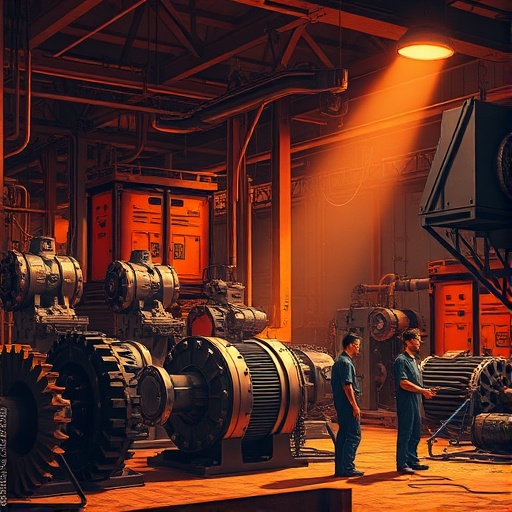
Routine Maintenance Procedures to Minimize Dust Accumulation
Technicians follow structured checklists during industrial gearbox maintenance that include seal inspections, breather replacements, and enclosure cleaning. They torque fasteners to specification to eliminate gaps that admit particles. Recording vibration baselines after each service helps detect new contamination sources quickly. Plants that enforce these procedures report fewer failures and extended gearbox life.
Maintenance crews also verify that gaskets remain pliable and free of cracks. They schedule oil changes based on operating hours rather than calendar time when environments generate heavy dust loads. This approach keeps internal surfaces clean and supports consistent power transmission.
Effective Lubrication Strategies for Dust-Prone Environments
Engineers select lubricants with high film strength and additives that suspend particles until filters capture them. They install desiccant breathers that block moisture and dust while allowing pressure equalization. Industrial gearbox maintenance teams change oil at shorter intervals in severe conditions to prevent abrasive buildup. Synthetic formulations resist oxidation longer, reducing sludge formation around gears.
Proper quantity control avoids overfilling that forces contaminated oil past seals. Technicians flush gearboxes thoroughly during fluid changes to remove residual particles. These strategies maintain efficiency and protect torque-carrying components from accelerated wear.
Engineering Solutions for Enhanced Dust Resistance
Designers incorporate positive-pressure enclosures and advanced sealing technologies to keep dust out of gearboxes. They specify stainless-steel breathers with micron-rated filters that withstand washdown procedures. Industrial gearbox maintenance benefits when engineers integrate these features at the specification stage rather than retrofitting later. Custom housings with labyrinth paths further reduce ingress in abrasive atmospheres.
Engineers also recommend external oil coolers that lower temperatures and slow contaminant reactions. Such upgrades improve reliability and cut downtime across continuous production lines.
Identifying and Preventing Gearbox Failures Due to Dust
Signs of Dust-Related Gearbox Issues
Operators notice rising temperatures, unusual noises, and increased power draw as early indicators of dust contamination. Oil appears darker and thicker during visual checks, signaling the need for immediate industrial gearbox maintenance. Vibration patterns shift as wear develops on tooth profiles, providing measurable data for diagnosis. Addressing these signs promptly prevents major failures and costly production interruptions.
Technicians inspect magnetic drain plugs for excessive metal particles during every service. They also check breather condition and seal integrity to identify entry points. Early detection preserves gearbox efficiency and extends service life.
Vibration Analysis as a Tool for Early Detection
Vibration monitoring captures frequency changes caused by dust-induced pitting and misalignment. Engineers install sensors that transmit real-time data to maintenance software for trending. Industrial gearbox maintenance teams use these readings to schedule interventions before damage becomes irreversible. Spectral analysis distinguishes dust-related signatures from normal operational harmonics.
Regular baseline comparisons allow experts to quantify wear progression accurately. This predictive approach reduces unplanned downtime and optimizes spare-parts inventory for critical drives.
Expert Recommendations for Preventive Maintenance
Experts advocate combining filtration, sealing, and scheduled lubrication analysis into comprehensive industrial gearbox maintenance plans. They train operators to recognize environmental factors that increase dust exposure. Periodic alignment checks and torque verifications ensure gears mesh correctly even after minor contamination events. These measures collectively lower failure rates across diverse industrial applications.
Engineers emphasize documentation of every maintenance action to refine future schedules. Data-driven adjustments improve reliability and support continuous improvement in gearbox performance.
Future Technologies in Gearbox Maintenance and Dust Control

Innovative Lubrication Technologies
New nano-additive lubricants form protective layers that repel dust particles from gear surfaces. These formulations maintain viscosity across wide temperature ranges and extend drain intervals. Industrial gearbox maintenance benefits from automated dispensing systems that deliver precise volumes without exposing the interior to contaminants. Researchers continue testing biodegradable options that perform reliably in dusty settings.
Engineers evaluate these products through field trials that measure wear rates and efficiency retention. Adoption of advanced lubricants supports longer operational periods between service visits.
Advancements in Gearbox Design for Dust Resistance
Modern gearbox designs feature integrated sensors and modular seals that engineers replace quickly during maintenance. Improved metallurgy and surface treatments increase resistance to abrasive wear. Industrial gearbox maintenance routines simplify when housings include quick-access ports for inspection without full disassembly. These engineering advances reduce exposure time and contamination risk during service.
Manufacturers now offer standardized options for high-dust environments that include enhanced breathers and external filtration ports. Such designs deliver measurable gains in uptime and efficiency.
The Role of IoT in Monitoring Gearbox Condition
IoT-enabled sensors track temperature, vibration, and oil quality continuously, alerting maintenance teams to dust-related anomalies in real time. Data platforms analyze trends across multiple gearboxes to predict service needs accurately. Industrial gearbox maintenance shifts from reactive to proactive strategies when engineers integrate these systems. Remote monitoring reduces the need for physical inspections in hazardous areas.
Engineers configure dashboards that highlight deviations from normal operating parameters. This technology minimizes downtime and supports data-backed decisions on lubrication and seal replacements.