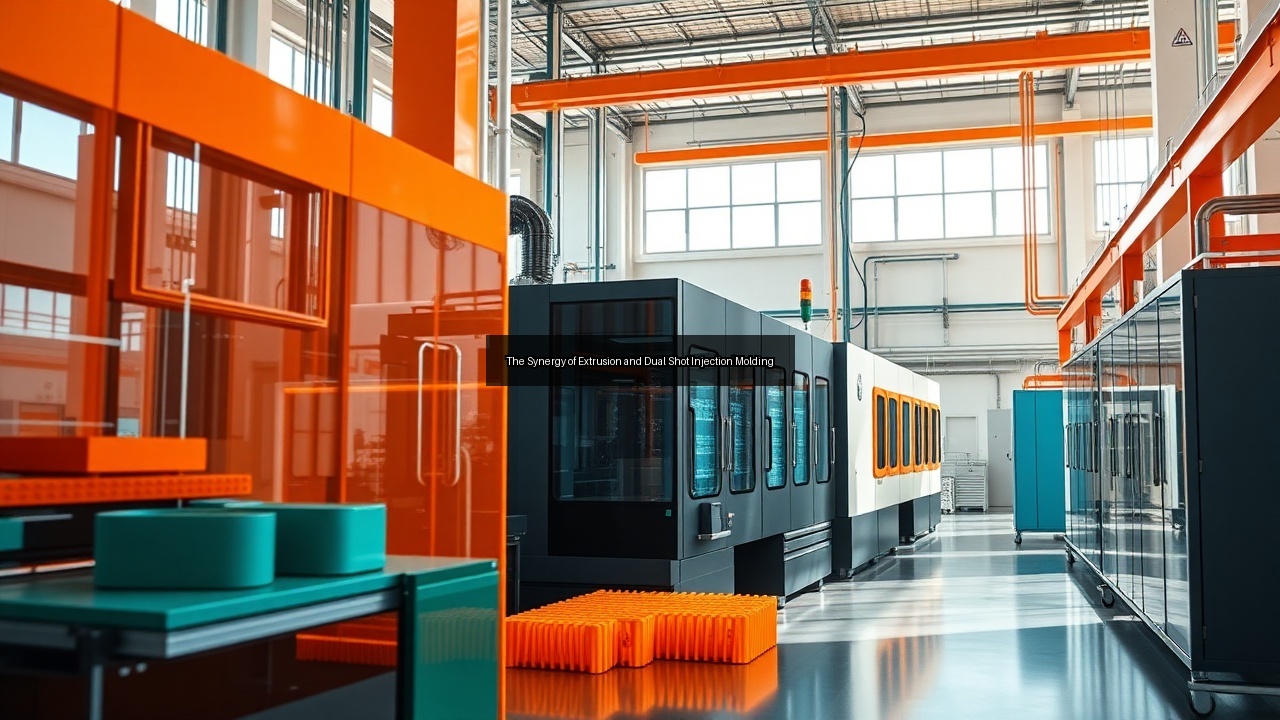
The Synergy of Extrusion and Dual Shot Injection Molding
Understanding Dual Shot Injection Molding and Its Applications
The Basics of Dual Shot Injection Molding
Dual shot injection molding, often referred to as dual injection or two-shot molding, revolutionizes the way manufacturers create complex plastic parts. This technique involves injecting two different materials into a single mold during the manufacturing process. The first material, typically a rigid thermoplastic, forms the core of the product, while the second, often a softer thermoplastic, is injected over the first to create a functional surface or aesthetic finish. This method allows for the production of multi-material components that combine various properties, such as flexibility, durability, and aesthetics, seamlessly in one go.
Key Industries Utilizing Dual Shot Techniques
Several industries have embraced dual shot injection molding for its versatility and efficiency. The automotive sector frequently employs this technique to produce interior components that require both structural integrity and a soft-touch finish. Electronics manufacturers utilize dual shot techniques for creating enclosures that need to be both protective and ergonomic. Consumer goods, such as toothbrushes and kitchen utensils, often feature dual shot molded parts to enhance usability and appeal. The healthcare industry also benefits from dual shot molding, producing devices that require a combination of hard and soft plastics for functionality and comfort.
Comparison with Traditional Injection Molding
Comparing dual shot injection molding to traditional injection molding highlights several advantages. Traditional methods typically involve creating separate parts that require assembly, increasing production time and costs. In contrast, dual shot molding eliminates the need for secondary processes by combining materials in one cycle, resulting in reduced labor and improved production efficiency. Furthermore, dual shot molding enhances the design possibilities, allowing for intricate features and textures that are difficult to achieve with standard injection molding. This synergy of efficiency and design flexibility positions dual shot injection molding as a preferred choice in modern manufacturing.
The Role of Extrusion in Enhancing Dual Shot Injection Molding
Extrusion Process Overview
Extrusion represents a key manufacturing process that complements dual shot injection molding. In extrusion, raw plastic materials are heated and forced through a die to create continuous shapes, such as sheets, films, or profiles. This process allows manufacturers to produce long lengths of uniform material, which can be further processed into more complex shapes. When integrated with dual shot injection molding, extrusion can provide the initial materials that form the core of a product, making it possible to create multi-layered components that leverage the strengths of both techniques.
Benefits of Combining Extrusion with Dual Shot Molding
The combination of extrusion and dual shot injection molding yields numerous benefits for manufacturers. This integration allows for the efficient use of materials, reducing waste during production. Additionally, it enables the creation of more complex geometries and improved component performance. For example, by extruding a base material that can withstand high stress and then applying a soft-touch thermoplastic layer through dual shot molding, manufacturers can enhance grip and user experience. This synergy not only improves product quality but also optimizes production processes, leading to reduced cycle times and lower costs.
Innovative Materials in Dual Shot and Extrusion
The evolution of materials has significantly impacted both dual shot injection molding and extrusion. Innovations in thermoplastics, including high-performance polymers, have expanded the range of applications for these techniques. Manufacturers now utilize materials that offer enhanced strength, heat resistance, dual shot injection molding technique and flexibility, meeting the demands of various industries. Additionally, advancements in recycling technologies have led to the development of sustainable thermoplastics, which can be integrated into dual shot processes. This not only addresses environmental concerns but also enables the production of high-quality, eco-friendly products.
Sustainability in Plastics and Manufacturing Processes
Environmental Impact of Injection Molding and Extrusion
The environmental impact of plastics manufacturing has come under increasing scrutiny, especially regarding processes like injection molding and extrusion. Both techniques consume significant energy and generate waste, contributing to the overall carbon footprint of production. However, advancements in technology and materials are helping to mitigate these effects. By optimizing machine efficiency and reducing cycle times, manufacturers can lower energy consumption. Furthermore, the shift toward sustainable materials, such as biodegradable plastics and recycled thermoplastics, is critical in addressing the environmental challenges associated with traditional plastic production.
Sustainable Practices in Dual Shot Injection Molding
Implementing sustainable practices in dual shot injection molding can significantly reduce the environmental footprint of manufacturing. Techniques such as reducing material waste through precise measurements and using energy-efficient machinery are essential. Additionally, manufacturers are exploring closed-loop systems, which recycle waste materials back into the production process. This not only conserves resources but also minimizes landfill contributions. By embracing these sustainable practices, businesses can enhance their reputation and meet growing consumer demand for environmentally responsible products.
The Future of Eco-Friendly Thermoplastics
The future of thermoplastics is increasingly focused on sustainability, with ongoing research and development aimed at creating eco-friendly alternatives. Innovations in bio-based plastics, derived from renewable resources like corn starch and sugarcane, are gaining traction. These materials offer similar properties to conventional plastics while significantly reducing reliance on fossil fuels. As the industry moves toward a more sustainable model, dual shot injection molding can play a pivotal role in integrating these new materials into high-performance products that meet both consumer needs and environmental standards.
Leadership in Technology: Advancements and Innovations
Conversations on the Future of Dual Shot Injection Molding
Industry leaders are actively engaging in conversations about the future of dual shot injection molding, exploring innovative technologies and methodologies that can further enhance this manufacturing technique. Discussions center around digital transformation, including the integration of Industry 4.0 concepts such as IoT and smart manufacturing. These advancements can lead to greater automation, improved data analytics, and increased efficiency in production processes. As manufacturers adopt these technologies, they position themselves at the forefront of the industry, ready to meet the evolving demands of the market.
Emerging Technologies in 3D Printing and Overmolding
Emerging technologies like 3D printing and overmolding are reshaping the landscape of dual shot injection molding. 3D printing allows for rapid prototyping and customization, enabling manufacturers to design intricate parts that were once challenging to produce through traditional methods. Overmolding, a technique similar to dual shot injection molding, can enhance product functionality by combining different materials in a single assembly. The integration of these technologies not only streamlines the manufacturing process but also enables the creation of innovative products that cater to diverse applications.
Case Studies: Successful Implementation of Dual Shot Techniques
Numerous case studies showcase the successful implementation of dual shot injection molding across various industries. One notable example includes a leading automotive manufacturer that utilized dual shot techniques to produce dashboard components that required both durability and a soft-touch feel. By integrating these processes, the company reduced production time and improved product quality, resulting in cost savings and increased customer satisfaction. Similarly, a healthcare device manufacturer successfully employed dual shot molding to create ergonomic grips for surgical tools, enhancing usability while maintaining the necessary strength and precision. These case studies illustrate the tangible benefits of dual shot injection molding in real-world applications.
See Also
- Dual Shot Injection Molding A Game Changer for the Aluminum Industry
- A Deep Dive into the Dual Shot Injection Molding Process
- Exploring the Advantages of Dual Shot Injection Molding in Sustainable Manufacturing
- The Economic Impact of Dual Shot Injection Molding on Manufacturing
- Integrating 3D Printing and Dual Shot Injection Molding for Custom Products