Speed and Precision in Metalwork Galvanized vs Stainless Steel
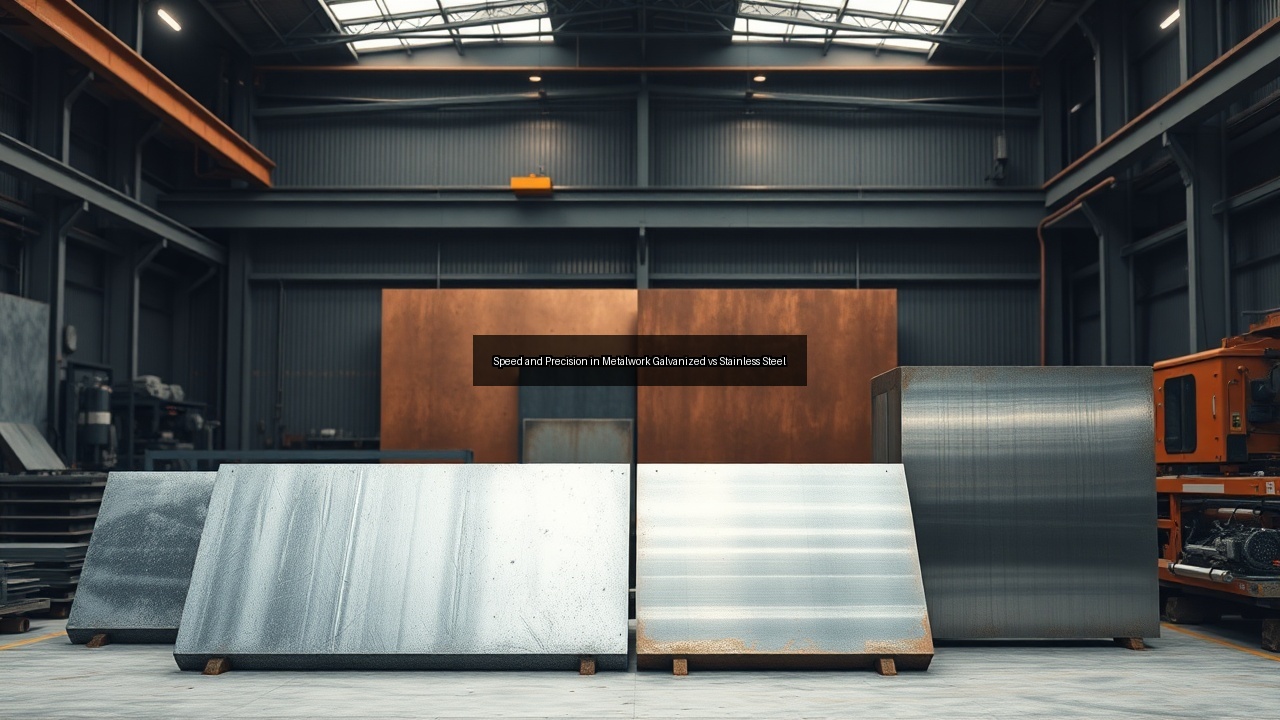
Understanding the Basics: Galvanized Steel and Stainless Steel
What is Galvanized Steel?
Galvanized steel is a type of steel that has undergone a process called galvanization, which involves coating it with a layer of zinc. This protective layer serves as a barrier against corrosion, making galvanized steel an excellent choice for outdoor applications and environments exposed to moisture. The galvanization process significantly enhances the lifespan of the metal, reducing the risk of rust formation that typically plagues untreated steel. Commonly used in construction, automotive parts, and household appliances, galvanized steel is favored for its durability and cost-effectiveness. Understanding the properties of galvanized steel is crucial for selecting the right materials for any metalwork project.
What is Stainless Steel?
Stainless steel is a unique alloy primarily composed of iron, chromium, and often nickel. The chromium content, usually a minimum of 10.5%, provides stainless steel with its remarkable corrosion resistance. This alloy resists rust and staining, making it a preferred choice for applications where hygiene and aesthetics matter, such as in kitchens, medical equipment, and architectural features. Unlike galvanized steel, which relies on a coating for protection, stainless steel inherently resists corrosion due to its chemical composition. The versatility in grades and finishes allows stainless steel to suit a variety of needs, from household items to industrial applications.
Key Differences in Composition
The composition of galvanized steel and stainless steel differs significantly, impacting their performance and applications. Galvanized steel consists primarily of carbon steel coated with zinc, while stainless steel contains iron, chromium, and may include nickel and other elements to enhance its properties. This difference in composition leads to distinct characteristics. For example, galvanized steel is more susceptible to damage if the zinc coating is scratched or compromised, exposing the underlying steel to corrosion. Conversely, stainless steel’s corrosion resistance remains intact, regardless of surface damage, due to the formation of a passive oxide layer. Understanding these key differences is essential for making informed decisions in metalwork projects.
Corrosion Resistance and Durability
How Galvanization Prevents Corrosion
Galvanization provides a protective barrier against corrosion through a process that involves applying a layer of zinc to the surface of steel. This zinc coating acts sacrificially, meaning it corrodes preferentially to the underlying steel. When exposed to moisture and air, the zinc oxidizes, forming a stable layer of zinc oxide that protects the steel underneath from corroding. This process significantly extends the life of galvanized steel, making it suitable for outdoor applications, such as roofing and fencing, where exposure to harsh environmental conditions is common. Regular maintenance and inspection can further enhance its longevity, ensuring that galvanized steel remains a reliable choice for many metalwork projects.
Stainless Steel: A Corrosion-Resistant Metal
Stainless steel boasts impressive corrosion resistance attributed to its chromium content, which forms a thin, protective film on the surface. This passive layer prevents further oxidation and rusting, making stainless steel ideal for applications in harsh environments, such as marine settings and chemical processing plants. Unlike galvanized steel, stainless steel does not require additional coatings for protection, allowing it to maintain its aesthetic appeal and structural integrity over time. The ability to withstand extreme temperatures and corrosive substances makes stainless steel a preferred material for pressure vessels and food processing equipment, where hygiene and durability are paramount.
Comparing Lifespans in Various Environments
The lifespan of galvanized steel and stainless steel can vary significantly based on the environment in which they are used. In moderate climates, galvanized steel can last 10 to 30 years, depending on the thickness of the zinc coating and exposure to corrosive elements. However, in coastal or industrial environments, the lifespan may decrease due to higher humidity and pollutants. Stainless steel, on the other hand, can last for decades, often exceeding 50 years in similar conditions. Its resilience against rust and staining contributes to lower maintenance costs over time. Therefore, selecting galvanized steel vs stainless steel the right material for specific environments can lead to significant long-term savings and performance.
Applications in the Metal Industry
Uses of Galvanized Steel in Construction and Infrastructure
Galvanized steel plays a crucial role in construction and infrastructure projects. Builders commonly use it for structural elements, roofing, and siding due to its excellent corrosion resistance and strength. The low initial cost and reduced maintenance requirements make galvanized steel a practical choice for various applications, including bridges, utility poles, and fences. Moreover, the galvanization process allows for easy fabrication and welding, facilitating the creation of customized components, such as steel plates and fasteners. Its versatility ensures that it can meet the demands of diverse construction projects while providing durability and reliability over time.
Stainless Steel in Pressure Vessels and Food Processing
Stainless steel is indispensable in the metal industry, particularly in applications requiring high corrosion resistance and hygiene. Industries such as food processing, pharmaceuticals, and chemical manufacturing rely on stainless steel for pressure vessels, pipelines, and storage tanks. Its non-reactive nature makes it safe for food contact, while its ability pros of galvanized steel to withstand high temperatures and pressure ensures safety and efficiency in processing. Additionally, stainless steel's aesthetic qualities make it an attractive choice for kitchen equipment and appliances. By selecting stainless steel for these applications, businesses benefit from its durability, safety, and ease of cleaning, which are vital in maintaining product integrity and compliance with industry standards.
Choosing the Right Metal for Your Project
Choosing between galvanized steel and stainless steel depends on various factors, including the specific application, environmental conditions, and budget constraints. For projects exposed to moisture and corrosive elements, galvanized steel offers a cost-effective solution with adequate protection against rust. However, for applications requiring higher durability and corrosion resistance, such as food processing and marine environments, stainless steel is the superior choice. Project managers should consider the long-term implications of their material choice, including maintenance costs and potential replacements. By carefully evaluating the needs of the project, stakeholders can select the right metal that balances performance, longevity, and cost-effectiveness.
Cost, Sustainability, and Future Considerations
Price Comparison: Galvanized vs Stainless Steel
When assessing the cost of galvanized steel versus stainless steel, the initial price often sways decision-making. Galvanized steel typically comes at a lower upfront cost, making it attractive for budget-conscious projects. In contrast, stainless steel generally carries a higher price tag due to its alloy composition and superior properties. However, the total cost of ownership must also factor in maintenance, lifespan, and performance. While galvanized steel may require more frequent replacements in corrosive environments, stainless steel's durability can lead to significant savings over time. Evaluating these factors allows project managers to make informed choices that align with their financial strategies.
Environmental Impact and Sustainability
Both galvanized steel and stainless steel present unique sustainability considerations. Galvanized steel's production involves zinc, which can have environmental impacts if not managed correctly. However, its long lifespan and recyclability contribute positively to sustainability efforts. Stainless steel, on the other hand, is highly recyclable and can be produced with recycled materials, reducing its environmental footprint. As industries prioritize sustainability, choosing materials with a lower environmental impact becomes crucial. Understanding the lifecycle of both metals helps organizations make responsible choices that promote environmental stewardship while still meeting their project requirements.
Weldability and Fabrication Techniques
Weldability is an essential factor in selecting the right metal for fabrication and construction projects. Galvanized steel can pose challenges during welding due to the zinc coating, which can produce harmful fumes and affect the weld quality. Proper techniques, such as removing the zinc in the weld area, can help mitigate these issues. Stainless steel offers superior weldability, allowing for strong and durable joints without compromising its corrosion resistance. Advanced fabrication techniques, such as laser cutting, enhance the versatility of both metals, enabling the production of intricate designs and components. Understanding these welding and fabrication considerations ensures that projects maintain structural integrity and performance.