Secrets to Efficient Inspection and Verification in AS9100 Machine Shops
Understanding AS9100 and Its Importance in Machine Shops
Overview of AS9100 Rev D
AS9100 Rev D serves as the international standard for quality management systems specifically within the aerospace sector, including aerospace machine shops. This certification focuses on ensuring that organizations consistently meet customer and regulatory requirements, thereby enhancing satisfaction through effective processes. The standard encompasses various aspects of quality management, including risk management, product safety, and the importance of continuous improvement. For machine shops engaged in aerospace manufacturing, AS9100 Rev D provides a structured framework that helps streamline operations and improve overall quality. Adhering to these rigorous standards not only boosts operational efficiency but also positions machine shops as reliable partners in the aerospace supply chain.
Key Benefits of AS9100 Certification for Machine Shops
Obtaining AS9100 certification offers numerous advantages for machine shops. First, it enhances credibility, demonstrating a commitment to quality that can significantly attract new clients and retain existing ones. Certification opens doors to new contracts, especially in the competitive aerospace industry, where compliance with stringent regulations is essential. Additionally, AS9100 certification fosters a culture of continuous improvement, enabling machine shops to identify inefficiencies and implement effective solutions. This proactive approach not only reduces waste and operational costs but also increases customer satisfaction. Furthermore, certified machine shops often experience improved employee morale and engagement, as staff members take pride in being part of a quality-focused organization.
Implications of AS9100 Compliance in Aerospace
Compliance with AS9100 has profound implications for aerospace machine shops. It establishes a baseline for operational excellence, ensuring that all processes align with industry standards and regulatory requirements. Non-compliance can lead to severe repercussions, including loss of contracts, legal issues, and damage to reputation. Furthermore, AS9100 compliance enhances traceability, which is crucial in aerospace manufacturing. Traceability allows for thorough tracking of materials and processes, ensuring accountability and facilitating effective problem resolution. Ultimately, machine shops that embrace AS9100 compliance position themselves as industry leaders, capable of delivering high-quality products that meet or exceed customer expectations.
Essential Practices for Inspection and Verification in AS9100 Machine Shops
Developing a Comprehensive Inspection Checklist
Creating a comprehensive inspection checklist is fundamental for effective inspection and verification in AS9100 machine shops. This checklist should outline all critical elements of the machining process, from raw material quality to finished product specifications. It serves as a guide for quality assurance personnel to ensure that every aspect of production adheres to established standards. Incorporating specific measurements, tolerances, and inspection methods into the checklist allows for precise monitoring of each step. Regularly updating this checklist based on feedback and changes in processes or standards ensures its continued relevance and effectiveness. A well-structured checklist not only streamlines inspections but also reinforces accountability throughout the machine shop.
Role of CNC Machines in Quality Assurance
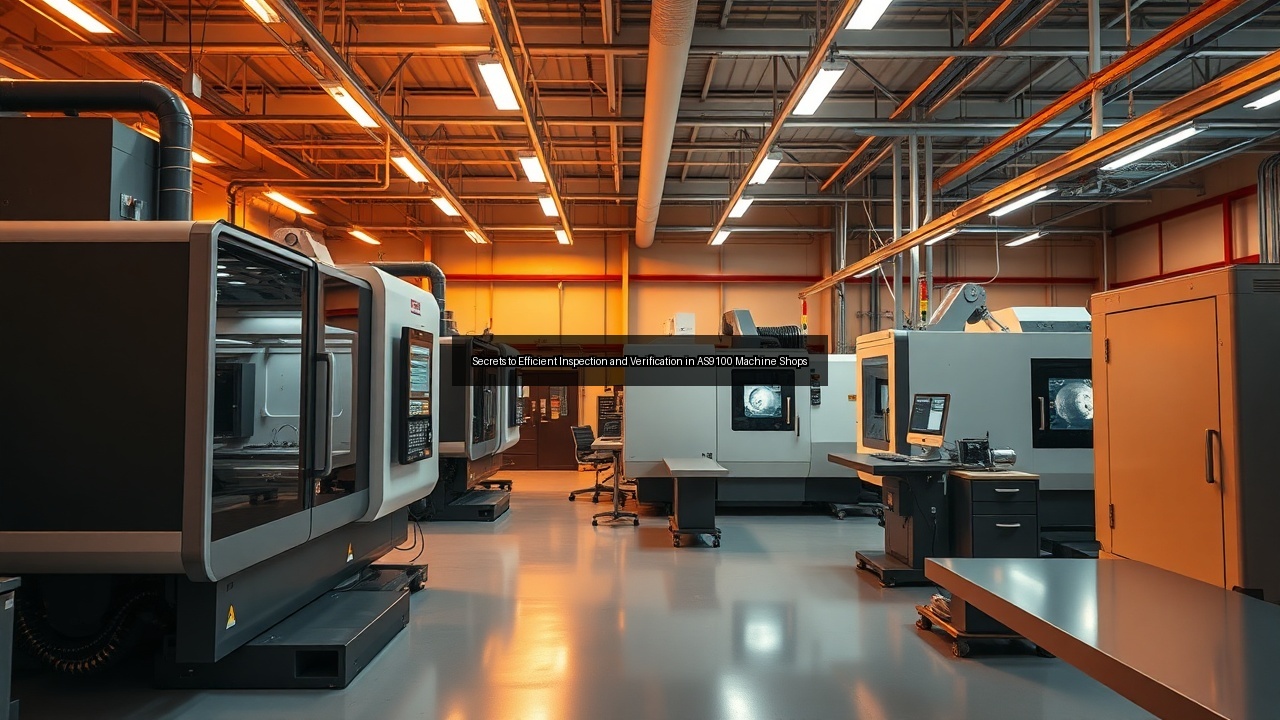
CNC machines play a pivotal role in quality assurance within AS9100 machine shops. These advanced tools provide high precision and repeatability, critical factors in aerospace components' manufacturing. CNC machining allows for automated processes that minimize human error, significantly enhancing product consistency. Integrating CNC machines with real-time monitoring systems enables machine shops to track performance metrics and identify deviations from quality standards promptly. Additionally, CNC machines can be programmed to conduct self-inspections during the machining process, providing instant feedback and further ensuring compliance with AS9100 requirements. This combination of technology and quality assurance practices positions CNC-equipped machine shops to deliver superior products consistently.
Verification Techniques for CNC Machining Processes
Implementing effective verification techniques is essential for maintaining quality in CNC machining processes. Techniques such as in-process inspections, statistical process control (SPC), and automated measurement systems help ensure that machined components meet exact specifications. In-process inspections involve checking dimensions and tolerances at various stages of production, allowing for immediate corrections. SPC utilizes statistical methods to monitor and control the manufacturing process, providing insights into trends and variations that could affect quality. Automated measurement systems, such as laser scanning and vision systems, offer rapid and accurate assessments of machined parts. These verification methods not only enhance product quality but also align with AS9100’s emphasis on quality management and continuous improvement.
Traceability and Documentation in Aerospace Machine Shops
Importance of Traceability in AS9100 Compliance
Traceability stands as a cornerstone of AS9100 compliance, particularly in aerospace machine shops. It involves tracking and documenting the entire production process, from raw materials to finished products. This level of transparency is crucial for identifying potential issues and ensuring accountability throughout the supply chain. In aerospace, where safety is paramount, traceability enables quick responses to any quality concerns and facilitates effective recalls if necessary. By maintaining comprehensive records, machine shops can also demonstrate compliance during audits, reinforcing their commitment to quality and safety standards. Implementing robust traceability practices not only enhances compliance but also builds trust with customers and stakeholders.
Best Practices for Documenting Inspection and Verification
Effective documentation of inspection and verification processes is vital for AS9100 machine shops. Establishing clear procedures for recording inspection results ensures that all data is reliable and accessible. Best practices include using standardized forms and templates for inspections, which simplifies data collection and analysis. Digital documentation systems can streamline this process, allowing for real-time updates and easy retrieval of records. Regular audits of documentation practices help identify areas for improvement and ensure compliance with AS9100 requirements. Comprehensive documentation not only supports traceability but also serves as a vital resource for training new employees and fostering a culture of quality within the machine shop.
Using Books and Records to Enhance Compliance
Maintaining detailed books and records enhances compliance with AS9100 standards in aerospace machine shops. These records include everything from inspection reports to maintenance logs and employee training documentation. Storing this information systematically allows for easy access during audits and demonstrates a commitment to quality management. Regularly reviewing and updating these records ensures they remain accurate and relevant. Additionally, leveraging software solutions can simplify document management, enhancing both efficiency and compliance. By prioritizing proper record-keeping, machine shops not only meet AS9100 requirements but also create a foundation for continuous improvement and operational excellence.
Achieving and Maintaining AS9100 Certification in Your Machine Shop
Steps to Obtain AS9100 Certification
Obtaining AS9100 certification requires a structured approach for machine shops. First, organizations must familiarize themselves with the requirements outlined in AS9100 Rev D. Next, conducting a thorough gap analysis helps identify areas needing improvement to meet certification standards. Implementing a quality management system (QMS) that aligns with AS9100 requirements is crucial. This system should encompass all processes, including inspection, verification, and documentation practices. Once the QMS is in place, machine shops can undergo an internal audit to assess readiness. Finally, selecting an accredited certification body for the external audit finalizes the certification process. This proactive approach ensures a smooth transition to AS9100 certification.
Common Challenges in Certification and How to Overcome Them
Machine shops often face challenges when pursuing AS9100 certification. One common hurdle is a lack of understanding of the certification requirements, which can lead to incomplete implementations. Overcoming this challenge involves investing time in training and education for staff members about AS9100 standards. Another challenge is resistance to change within the organization. Addressing this issue requires effective communication about the benefits of certification and involving employees in the process. Additionally, resource constraints may hinder progress. Allocating dedicated personnel and budget for quality management initiatives can alleviate this concern. By proactively addressing these challenges, machine shops can enhance their chances of successful AS9100 certification.
Continuous Improvement Post-Certification
Achieving AS9100 certification is just the beginning; continuous improvement remains a critical focus for machine shops. Regularly reviewing and updating processes, based on performance metrics and feedback, fosters a culture of excellence. Incorporating customer feedback into the improvement process enhances product quality and customer satisfaction. Machine shops should also conduct periodic internal audits to ensure ongoing compliance with AS9100 standards and identify opportunities for further enhancements. Engaging employees in continuous improvement initiatives cultivates a sense of ownership and accountability, driving overall success. By prioritizing continuous improvement, certified machine shops maintain their competitive edge in the dynamic aerospace industry.
See Also
- Real-Life Success Stories from AS9100 Certified Aerospace Machine Shops
- A Complete Checklist for AS9100 Certification in Machine Shops
- Elevating Standards in Aerospace with AS9100 Certified Machine Shops
- The Future of Aerospace Manufacturing in AS9100 Certified Machine Shops
- Navigating AS9100 Rev D Requirements in CNC Machining